

CARETTA CARETTAS
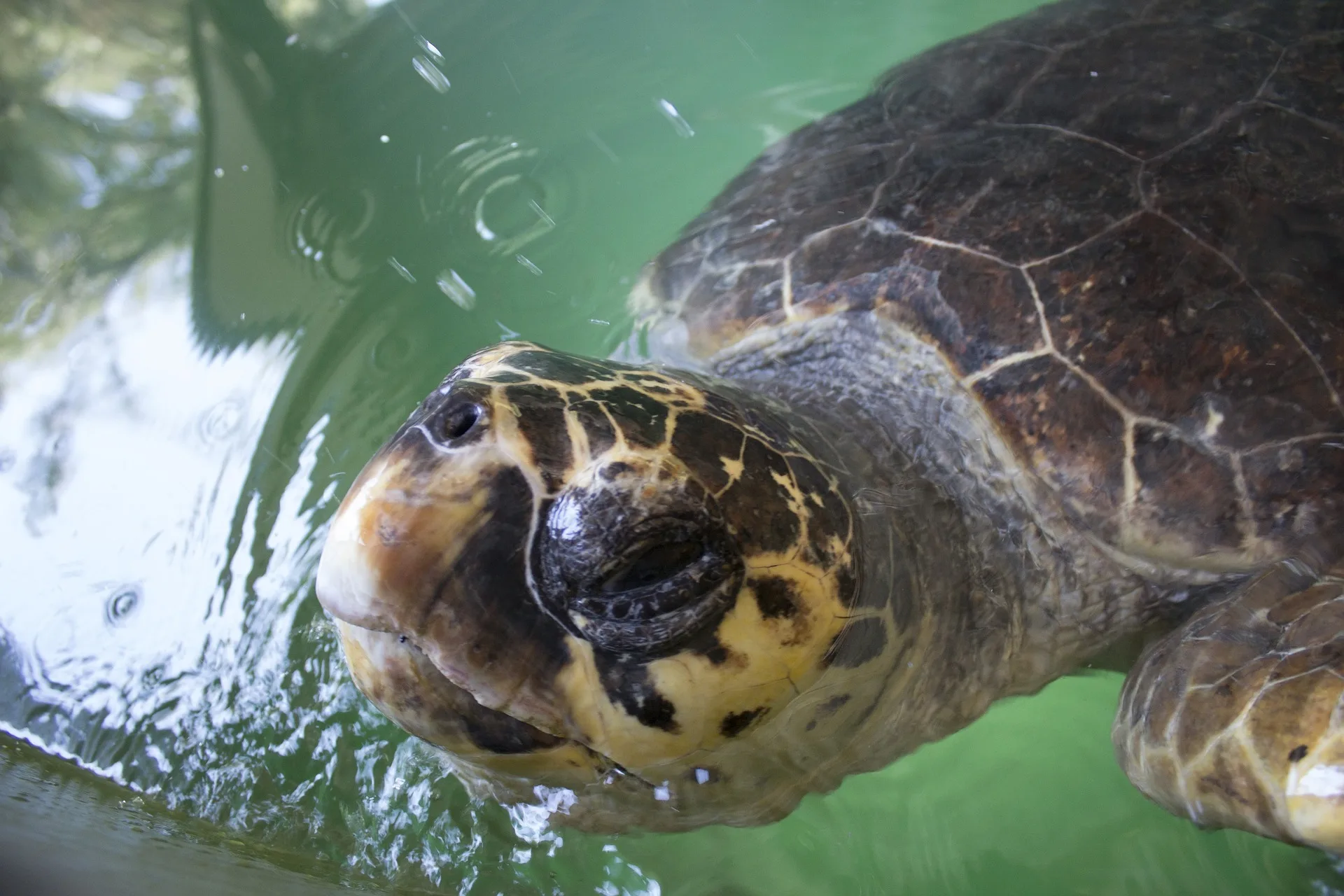
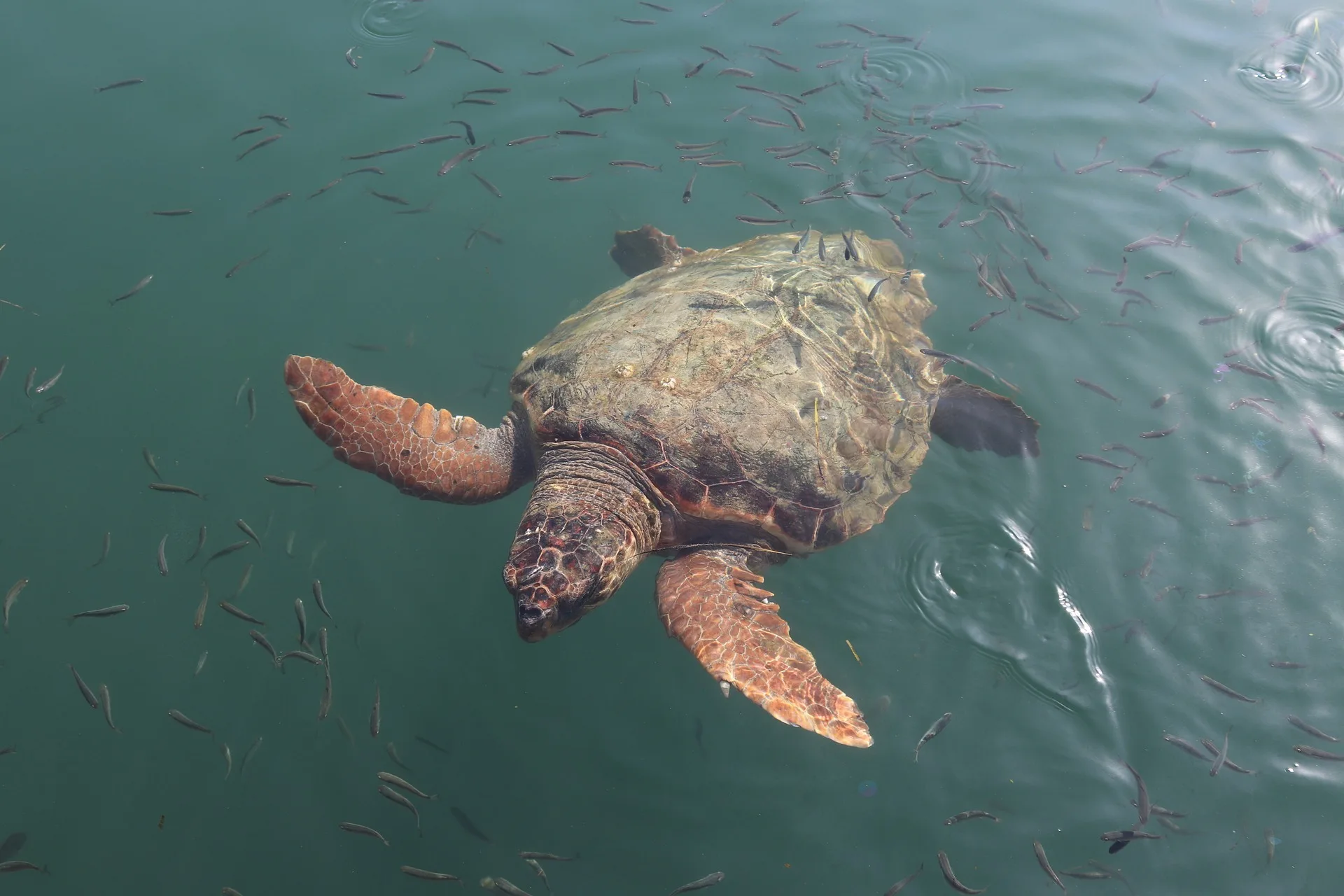
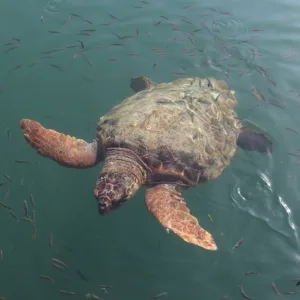
It is believed that Caretta Caretta sea turtles have lived and bred in this region for 110 million years. Data obtained from research by renowned scientists and scientific institutions in our country and around the world consistently support this. This charming creature, which has adopted Iztuzu beach and the Mediterranean coast as its habitat, is on the list of endangered species in the world. The reason for this species' endangerment is that it was the only type of food that people could transport without spoiling during maritime trade thousands of years ago. Even today, it is still hunted for food by people in the Far East. Furthermore, Caretta turtles are hunted and consumed because they are considered medicinal and aphrodisiac in Chinese medicine.
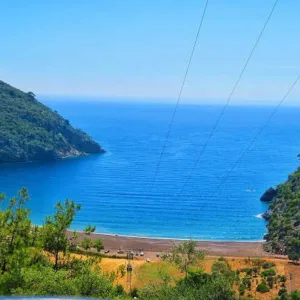
The beaches of İztuzu serve as both a habitat and breeding ground for these beautiful creatures. Caretta Caretta turtles visit several Mediterranean coastlines, most notably İztuzu, to mate and lay eggs during certain periods of the year. Research indicates that these birds prefer the beaches where they hatched to lay their eggs.
Iztuzu beach was chosen as Europe's best preserved beach by The Times newspaper in 2008.
Thanks to the efforts of the people of Dalyan and the surrounding area, Iztuzu Beach has been under protection for over 25 years. In the 1980s, Iztuzu beach was opened to tourism investments, and a five-star hotel construction project was started by a Turkish-German partnership. However, protests were carried out by the people of Dalyan and the surrounding area, as well as many foreigners, including British journalist Ms. June Haimoff, and the hotel construction was stopped. In 1986, as a result of campaigns conducted by the International Union for Conservation of Nature (IUCN), the World Wildlife Fund (WWF), the Society for the Protection of Natural Life (DHKD), and the people of Dalyan, the Dalyan region was declared a Special Environmental Protection Area for Caretta Caretta sea turtles and many other living creatures, and was placed under protection. To protect Caretta Caretta turtles and to treat those injured or ill for various reasons, a rehabilitation center was established in the Iztuzu region by Ms. June Haimoff. This center, now called the Turtle Hospital, can be visited today. Mrs. June Haimoff, affectionately known as Captain June by the people of Dalyan, still lives in Dalyan and continues her work to protect these adorable animals.
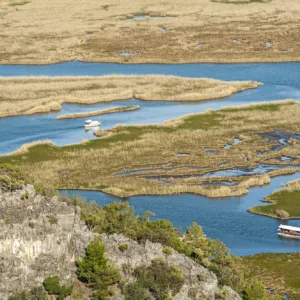
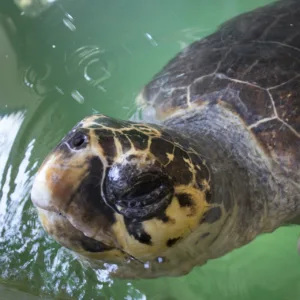
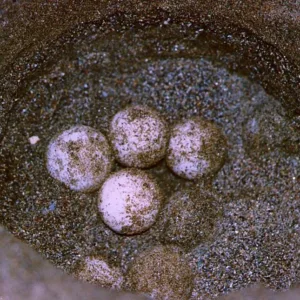
Loggerhead sea turtles (Caretta Caretta) are quite large creatures. Adult loggerheads can reach lengths of 150 cm and weigh up to 120 kg. Females reach sexual maturity at 25-30 years old and return to the Iztuzu beaches, where they hatched, to lay their eggs. Starting in early April with the arrival of spring, loggerhead sea turtles begin arriving at the Dalyan Iztuzu beaches. Their favorite food source is blue crabs. These inland waters, rich in blue crab populations, provide these creatures with ample food during the mating season. Furthermore, the reed-covered structure of the Dalyan delta provides a suitable refuge for loggerhead sea turtles during the mating season. The egg-laying period for loggerheads mating in the sea or delta waters begins in mid-May and continues until the end of August. A female loggerhead who mates once can store sperm in her body for 3 years and can lay eggs for 3 consecutive years without mating again. Loggerhead sea turtles come ashore at night every two or three years and dig holes about 40 cm deep. They lay between 90 and 115 eggs, about the size of a tennis ball, in these holes.
The most important factor determining the sex of Caretta caretta sea turtle hatchlings is the temperature of the sand at the time of egg laying. If the temperature at the depth where the eggs are laid is below 30 degrees Celsius, the hatchlings are male; if it is above 30 degrees Celsius, they are female.
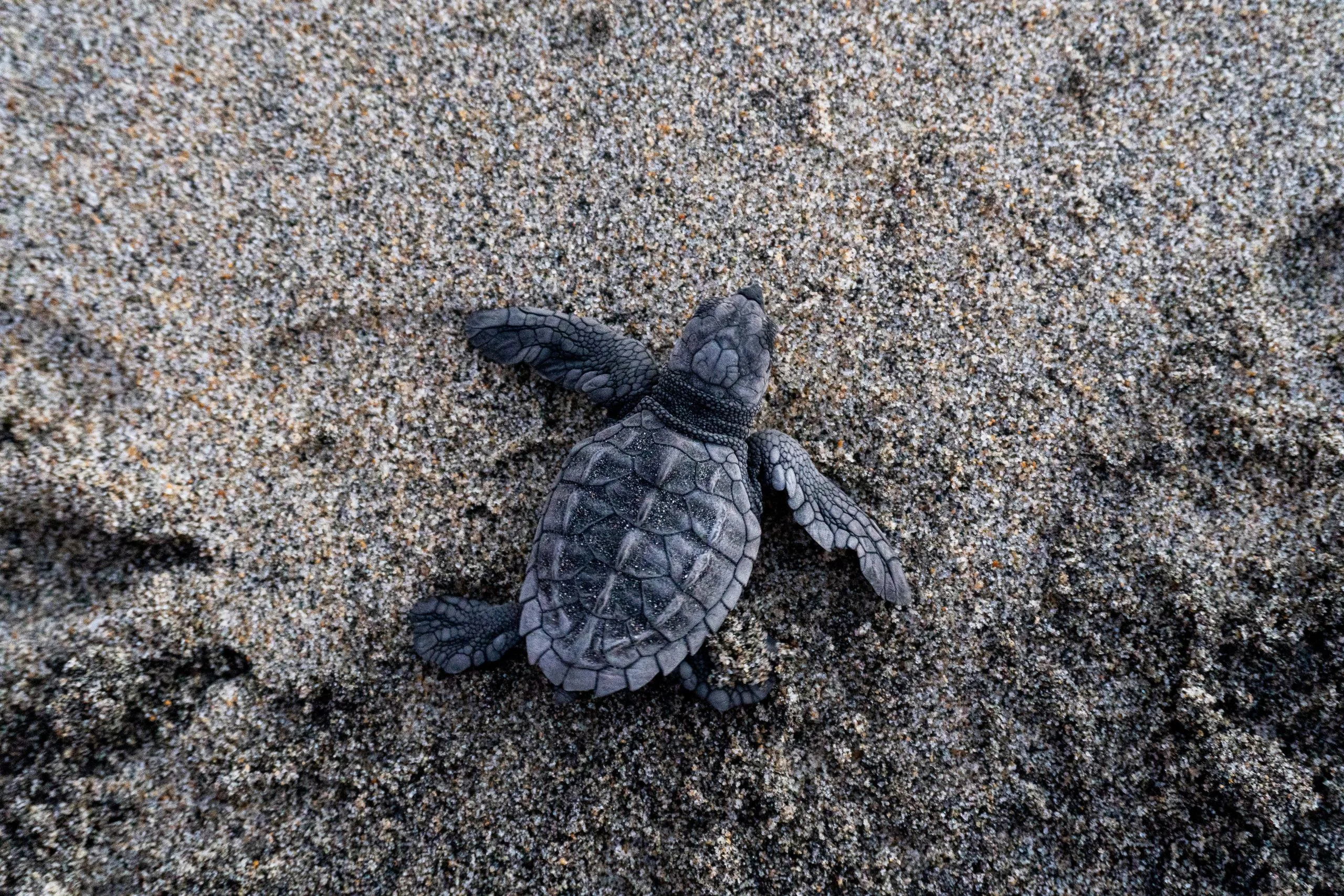
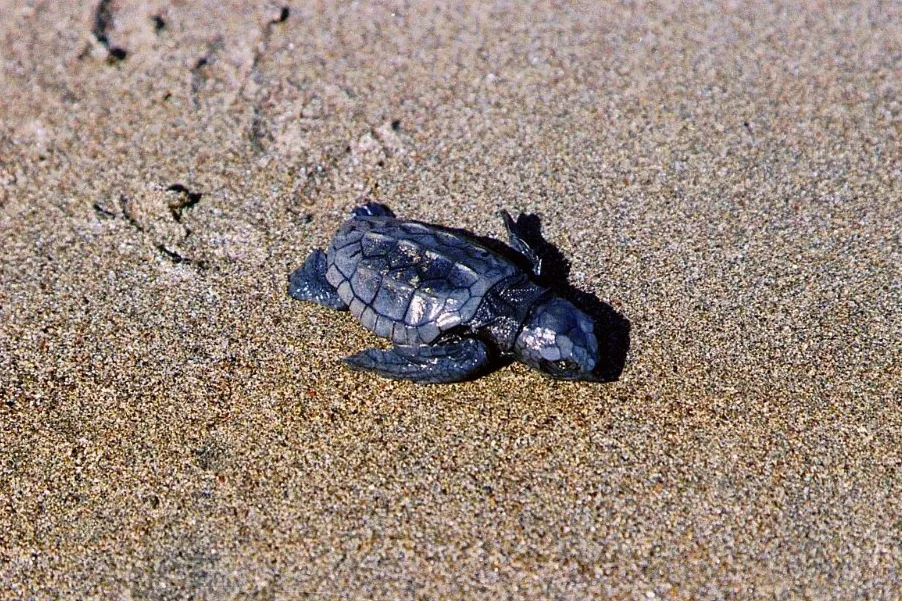
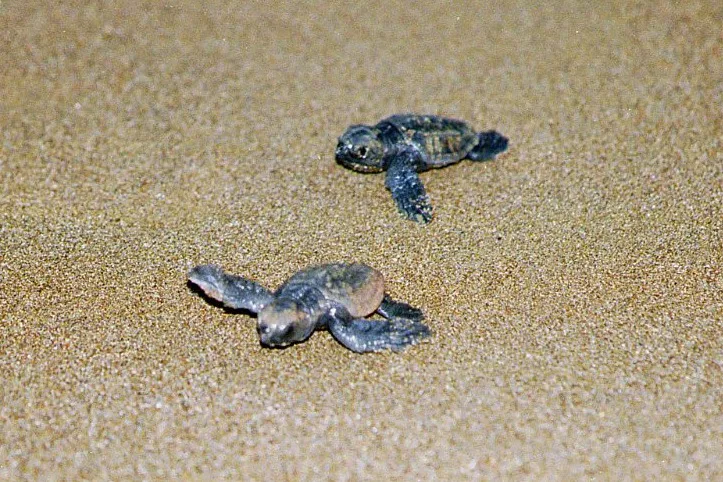
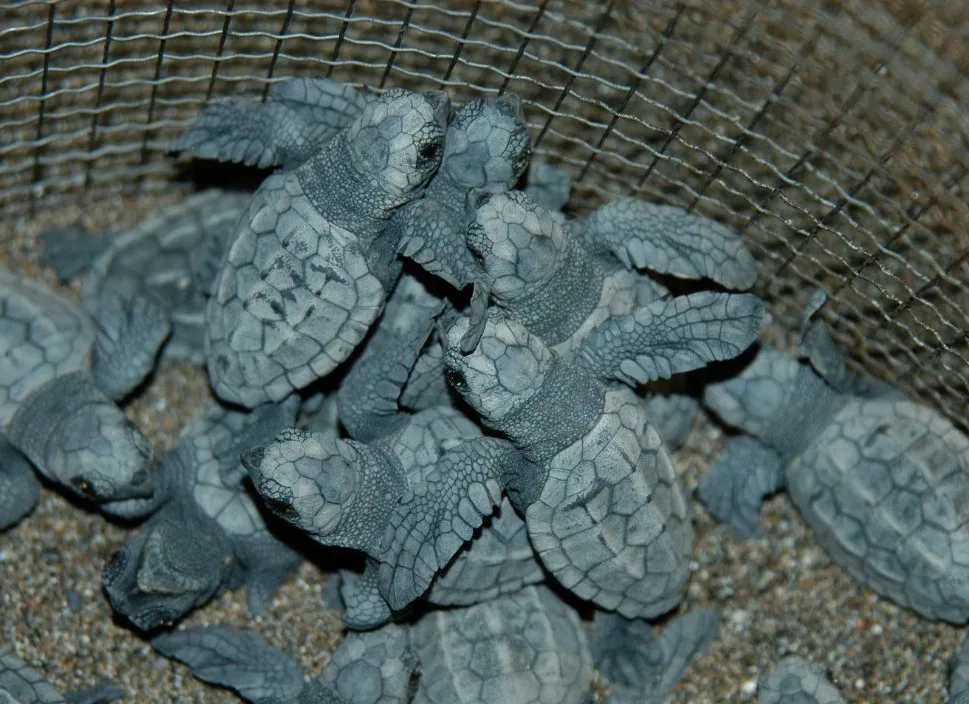
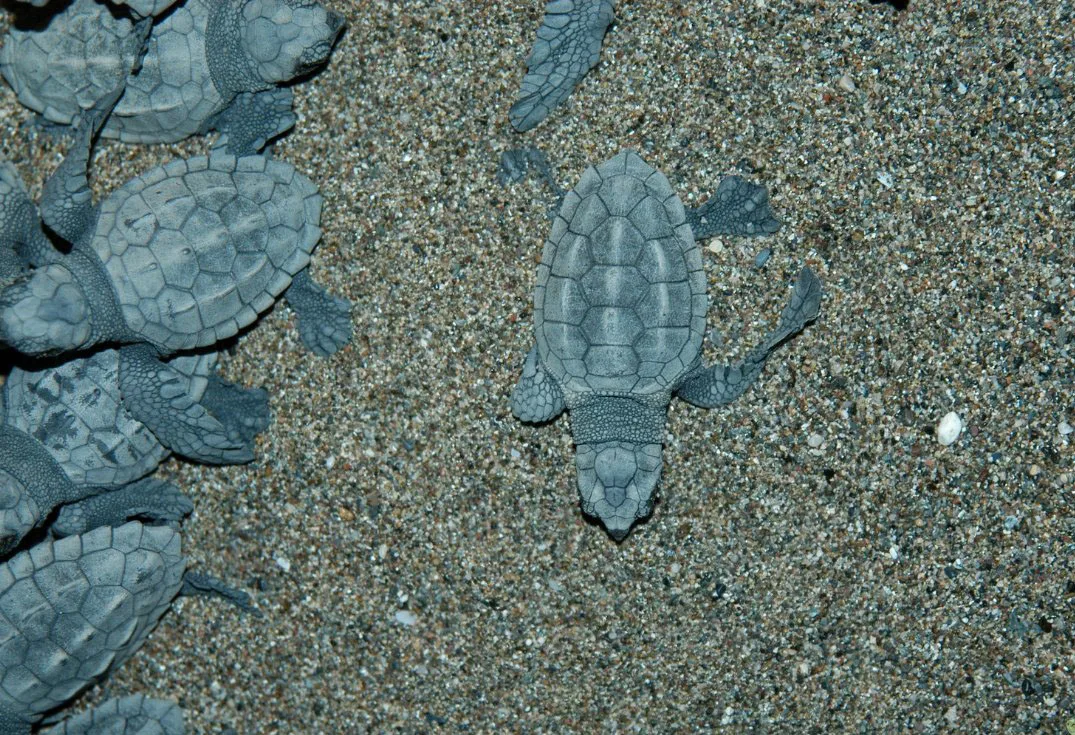
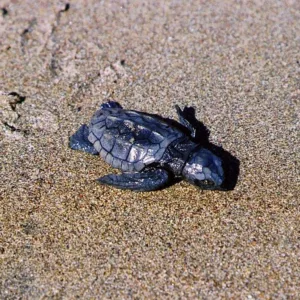
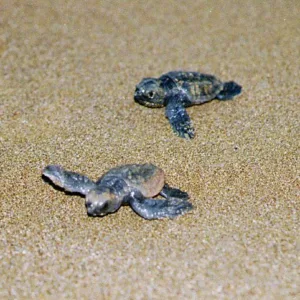
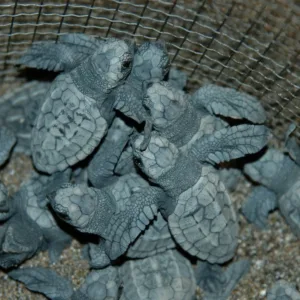
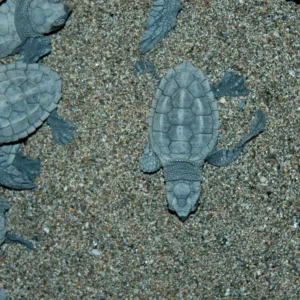
Caretta Caretta hatchlings emerge from their eggs after a 55-60 day incubation period. The first goal of the tiny Carettas is to reach the sea. After hatching, the hatchlings wait for nightfall to climb onto the sand and reach the sea. Their efforts to reach the sea, which usually take place at night, are a remarkable struggle. Light and noise are considered very important factors in helping the baby Carettas find their way and reach the sea. Therefore, during the breeding season, Iztuzu Beach is closed to visitors between 8 PM and 8 AM. Personnel on duty in the area monitor and mark the nesting sites and provide protection against wild animals such as foxes using various equipment.
We kindly request that our guests who choose Dalya for their holiday comply with the warnings of the staff on duty at Iztuzu beach and contribute to the protection of these beautiful creatures. Please pay attention to the signs that delineate the nesting areas.