
KAUNOS ANCIENT CITY
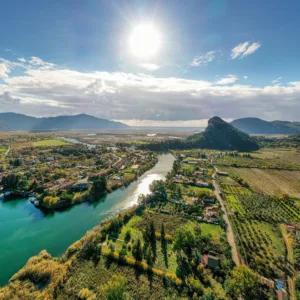
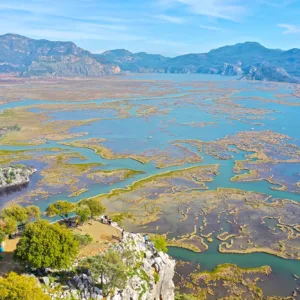
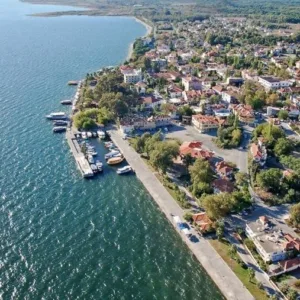
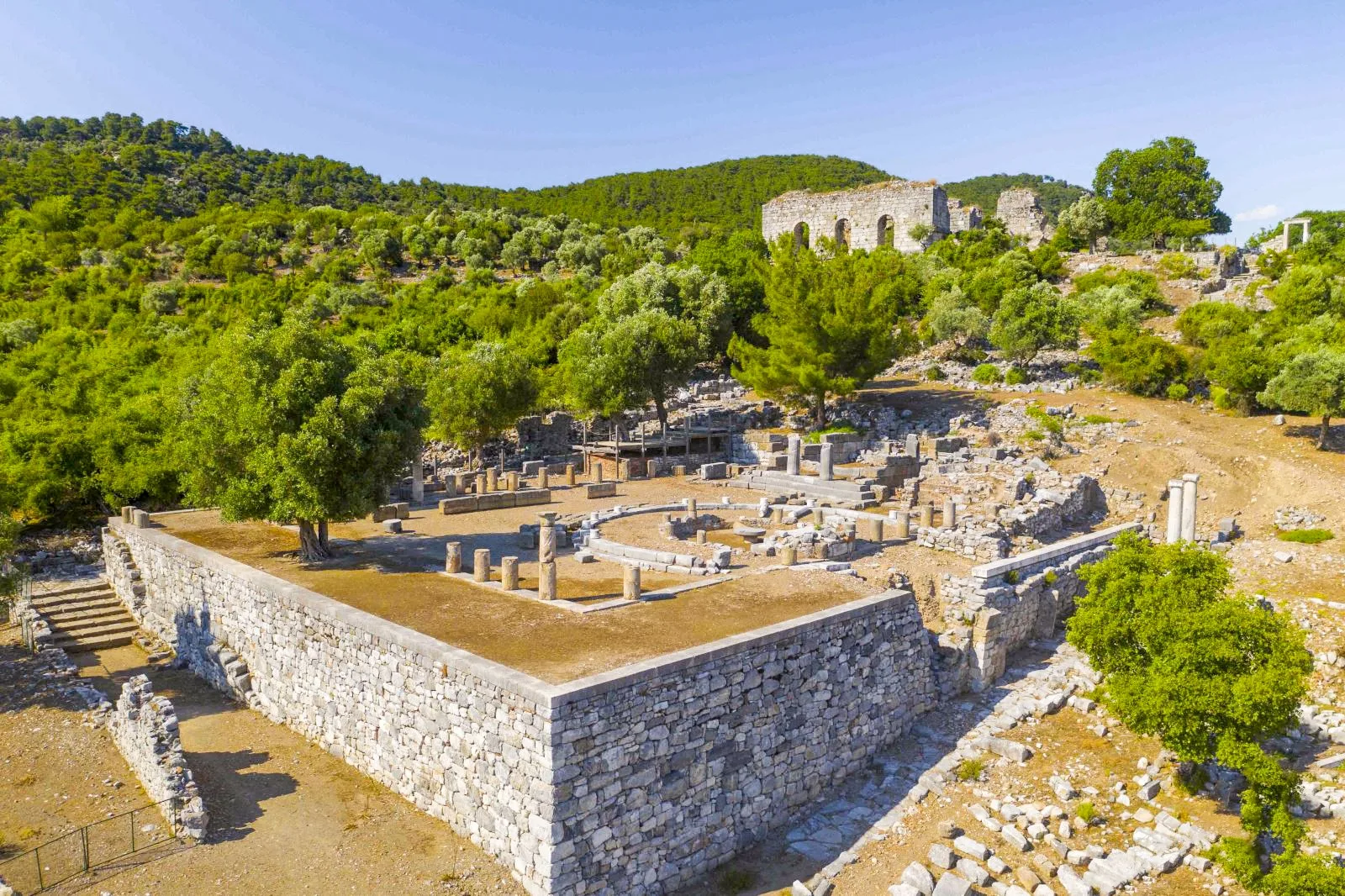
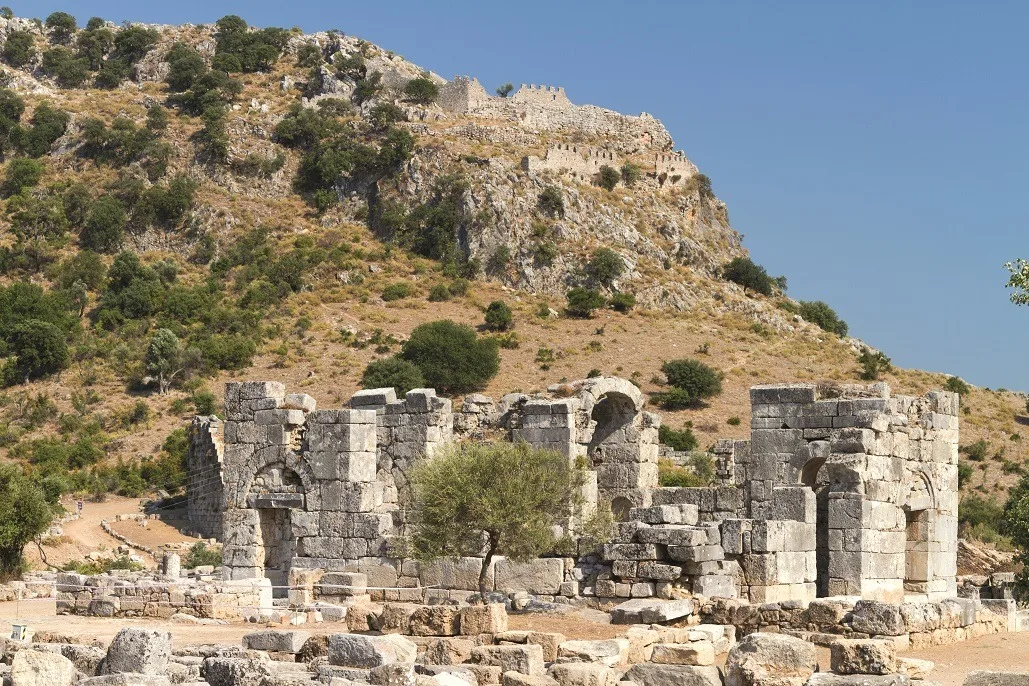
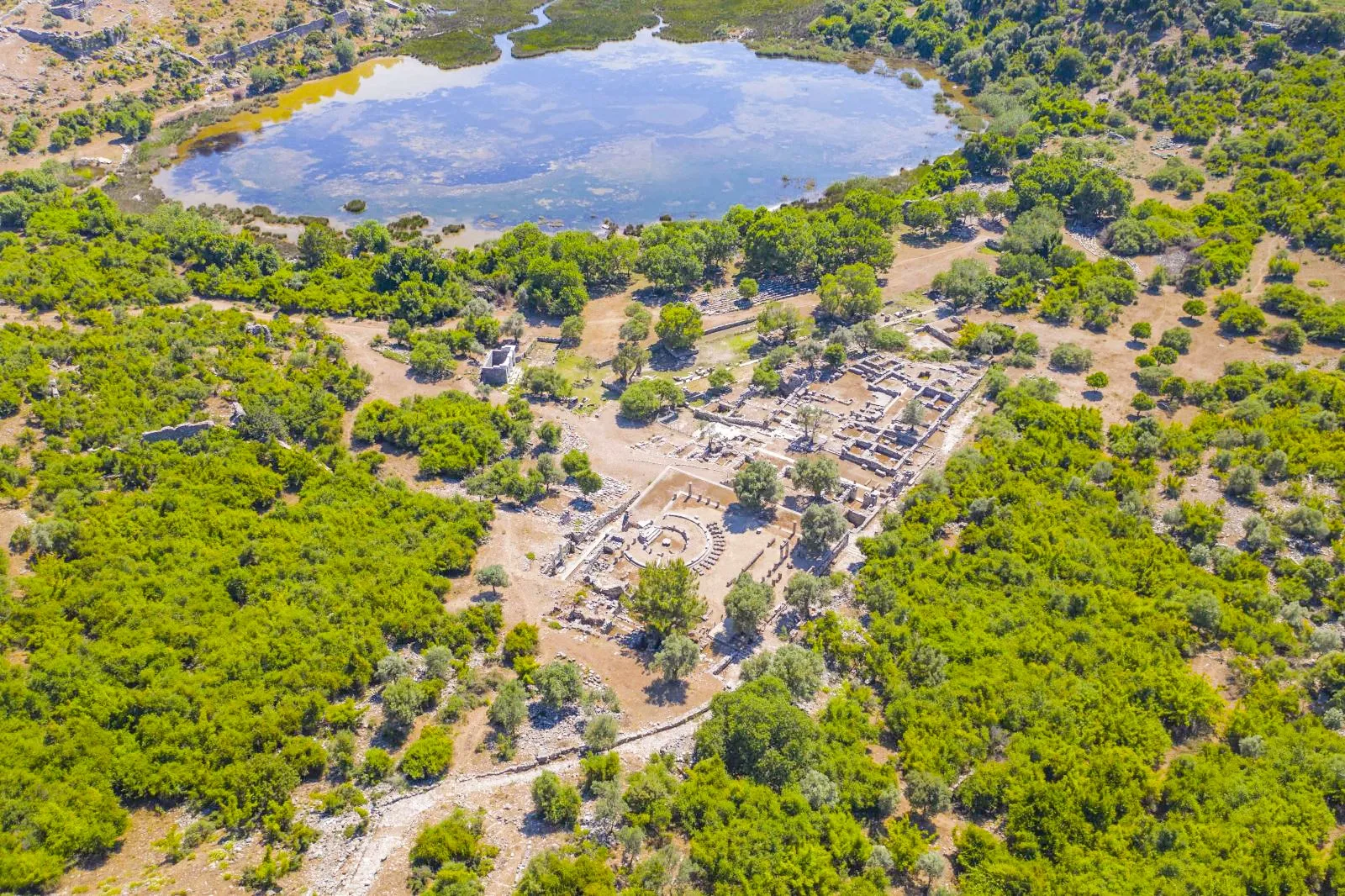
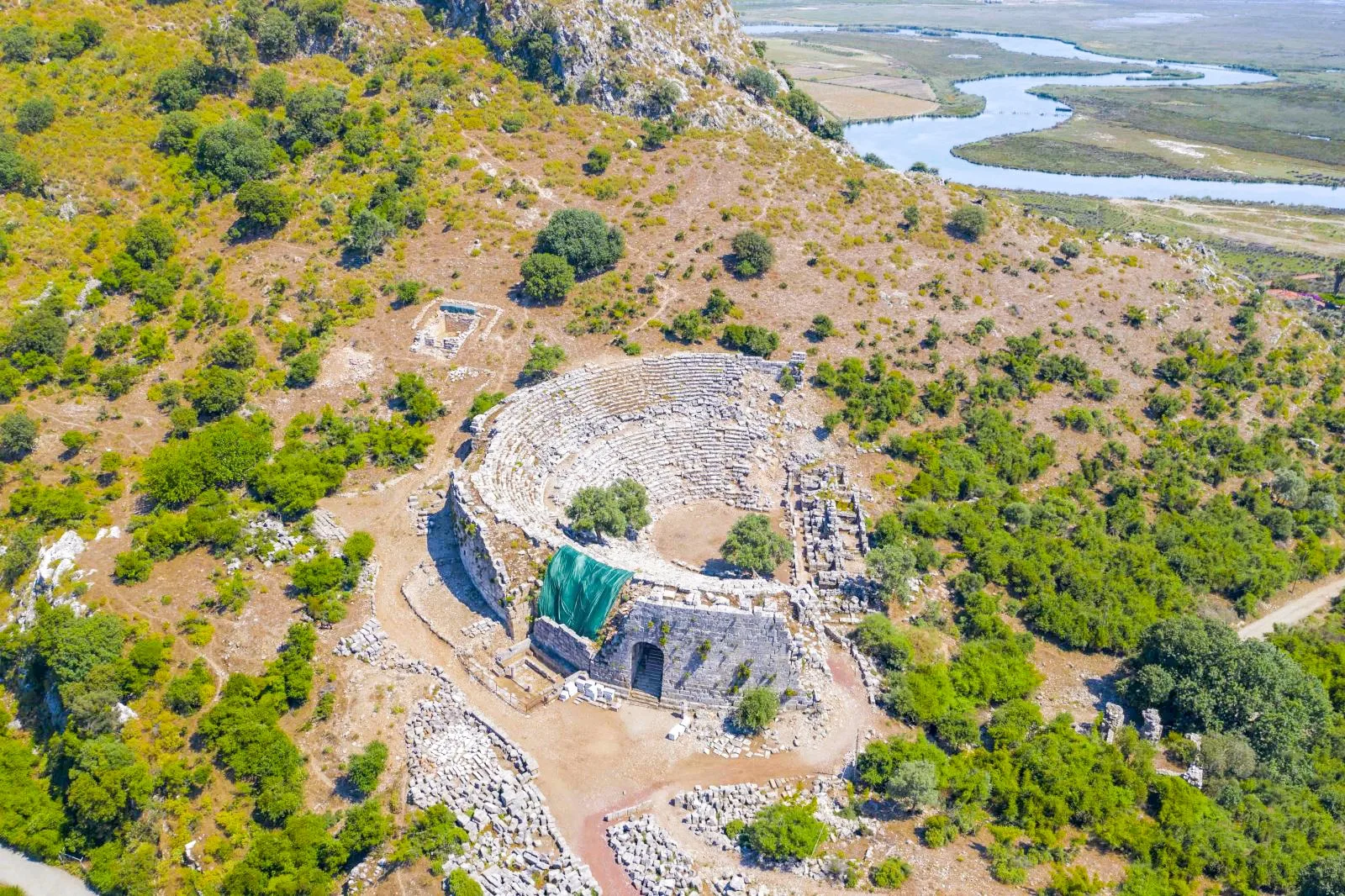
The ancient city of Kaunos, founded by Kaunos, one of the twin sons of Miletus, is on the UNESCO World Heritage Tentative List. Kaunos has been home to settlements from the Archaic, Classical, Hellenistic, Roman, and Byzantine periods. Located in the Çandır neighborhood of Köyceğiz today, the ancient city's fortress offers a magnificent view of the Dalyan delta and the city of Dalyan, within the borders of Ortaca district.
According to Herodotus, the father of history, the people of Kaunos were among the ancient inhabitants of Caria, but they considered themselves Cretans. The geographer Strabo wrote that the city of Kaunos had a shipyard and a harbor with a closable entrance.
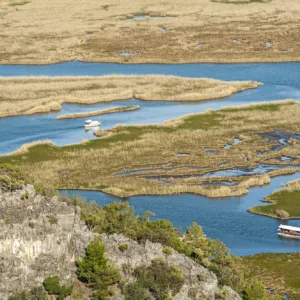
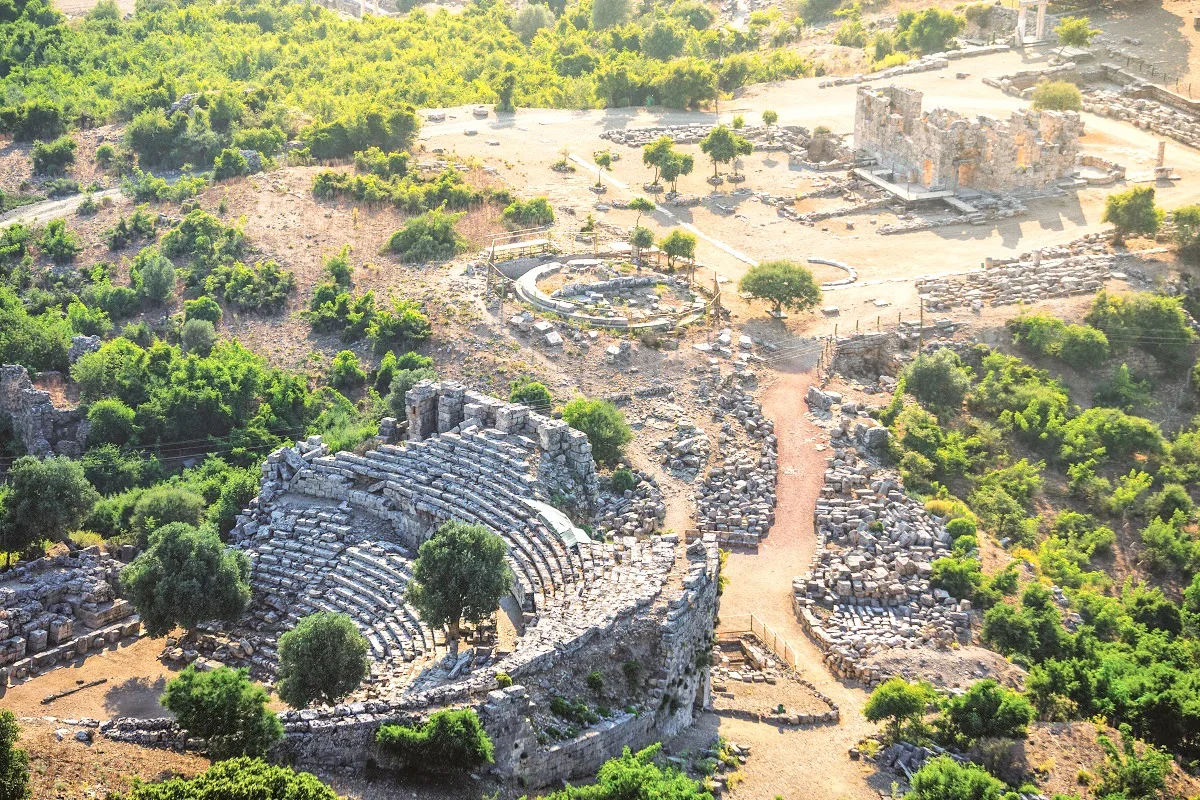
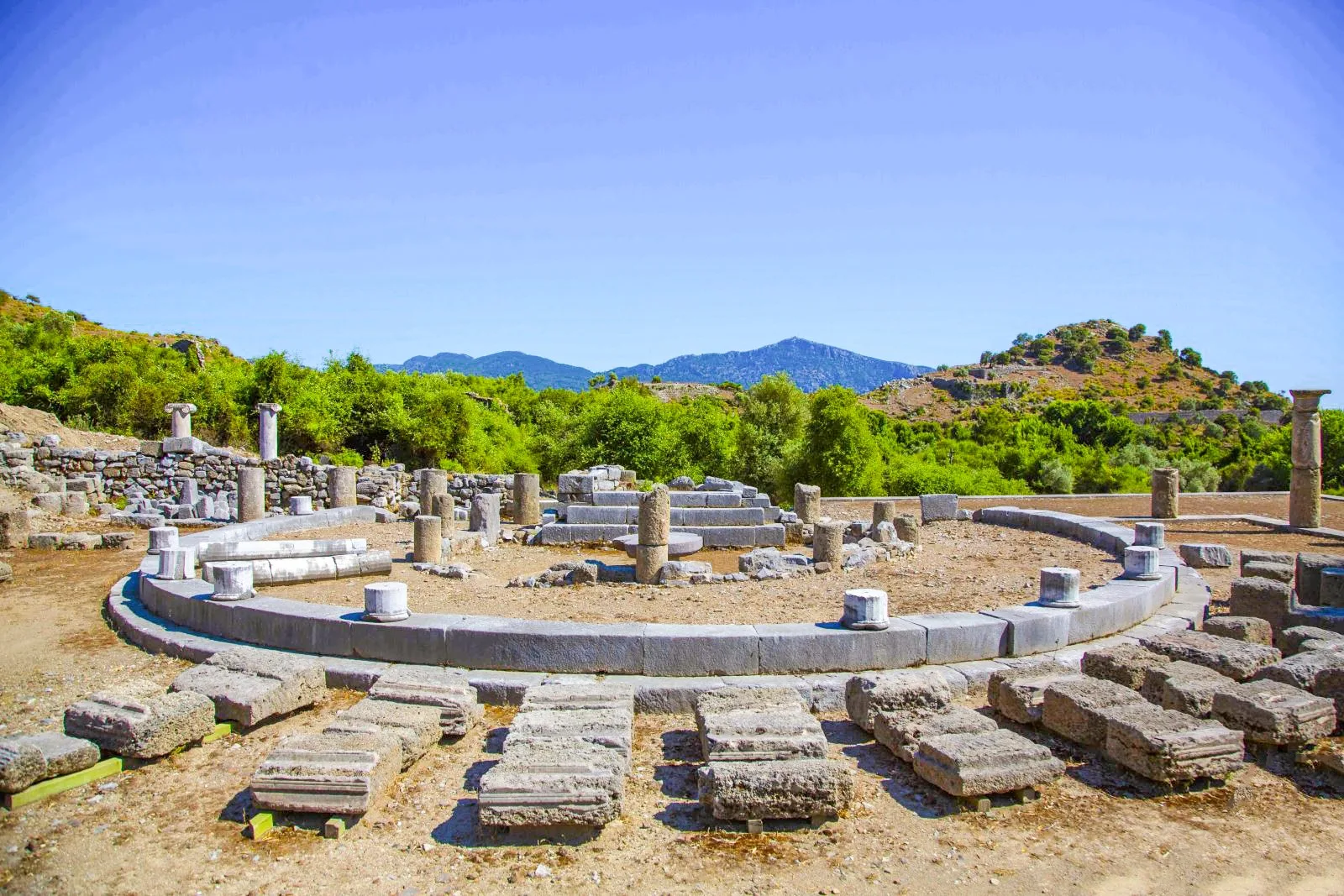
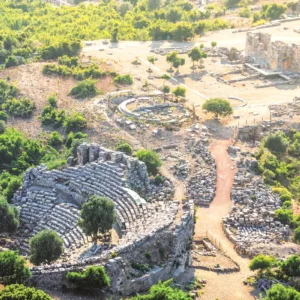
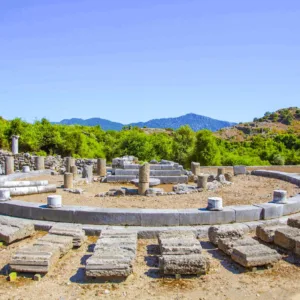
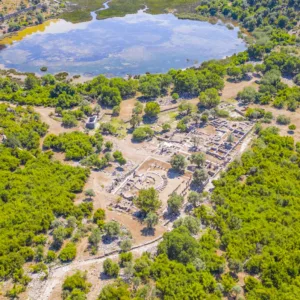
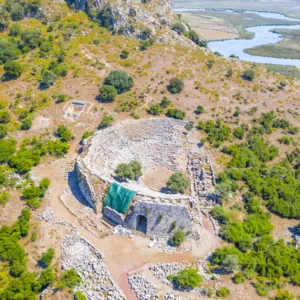
Kaunos was an important trading city in antiquity. Its harbor was located below the acropolis, in what is now known as Sülüklü Göl (Leech Lake), but over time, the harbor entrance filled with alluvium, causing Kaunos to lose its former importance. In those days, the sea reached as far as the acropolis of Kaunos; today, it is situated on a hill 152 meters above sea level. The city also contains the remains of a theater with 33 rows of seats, a basilica-type church, a Roman bath, and temples.
Demeter, the goddess of abundance and fertility, was important in the religious world of Kaunos, and a three-day "Fertility Festival," attended only by women, was held annually in her honor.
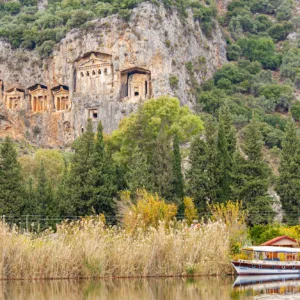
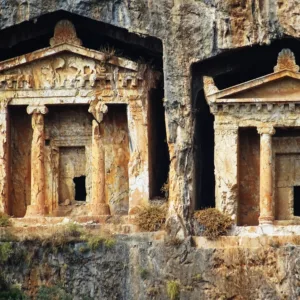
The rock tombs carved into the cliffs overlooking Dalyan distinguish Kaunos from other ancient cities. The temple-faced rock tombs, first seen in Kaunos, differ from the rock tomb facade architecture of the Urartu, Phrygian, and Lycian regions. With its unique appearance, it reflects the Hellenic temple facade architecture, thus setting it apart from other rock tomb types. On the right side of the cliffs, six temple-type tombs are carved into the rocks with the precision of a sculptor. In all their splendor, these rock tombs have been silent witnesses to the past for 2,400 years… The secret of the King's Tombs, visible from the Dalyan River, lies in the ancient belief that the higher the tomb, the closer it would be to God.