
KOYCEGIZ LAKE
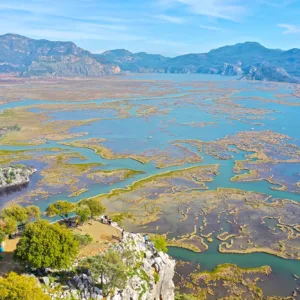
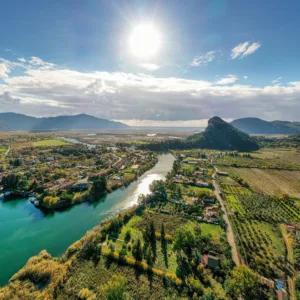
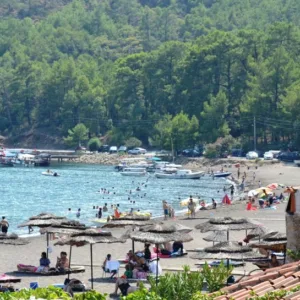
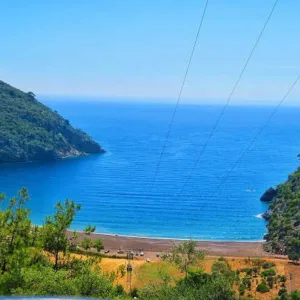
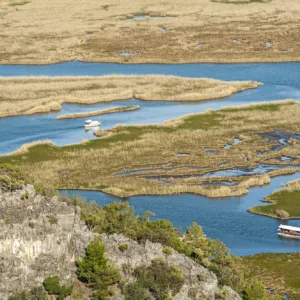
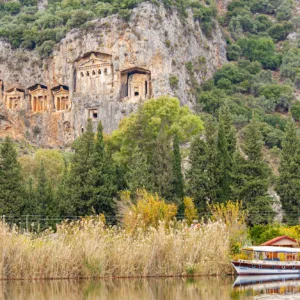
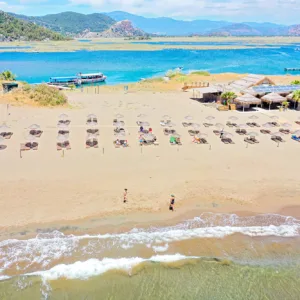
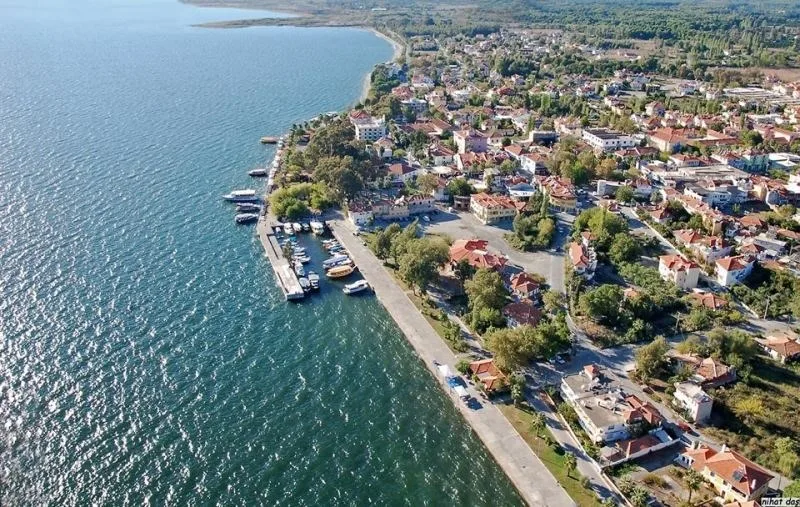
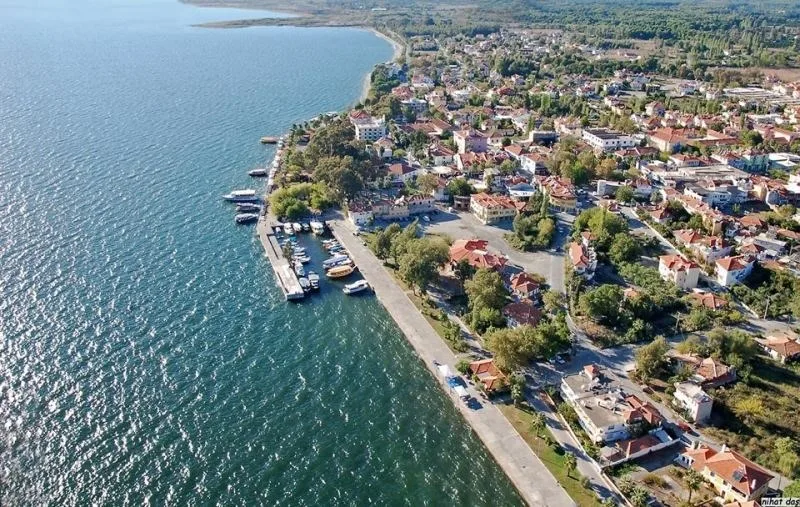
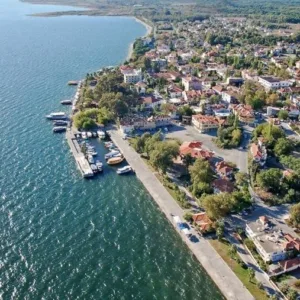
Lake Köyceğiz is fed by abundant water sources, with water flowing down from the mountains in seven streams, and therefore retains its characteristics year-round. It drains its excess water into the Mediterranean Sea through a narrow, 10-kilometer-long channel (Dalyan). Without a detailed map of the area, it's easy to confuse the lake with the sea while exploring. The best clue is the lake's reeds. Connected to the Mediterranean Sea via the Dalyan Strait, the lake covers an area of 6300 hectares. At the end of the strait is another small lagoon lake called Sülüngür, a mixture of fresh and saltwater. This lake is a spawning ground for mullet. The coastline is adorned with a beautiful sandy beach (İztuzu Beach) varying in width from 50 to 200 meters and stretching for 5.5 kilometers.
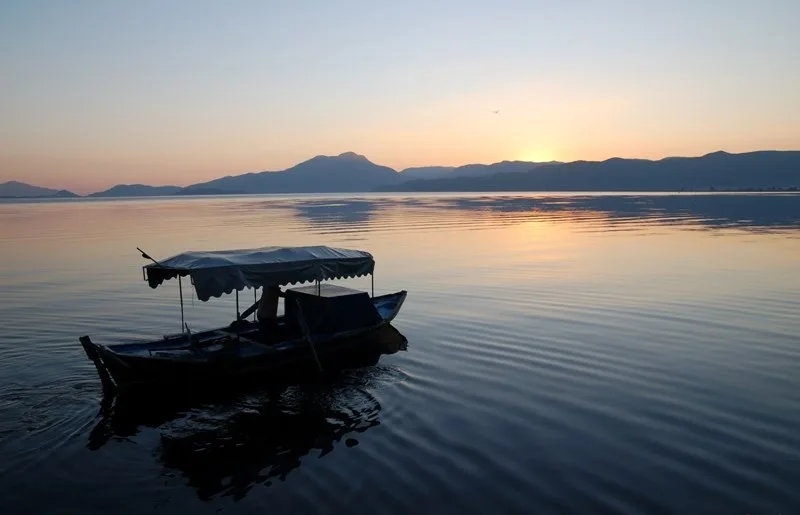
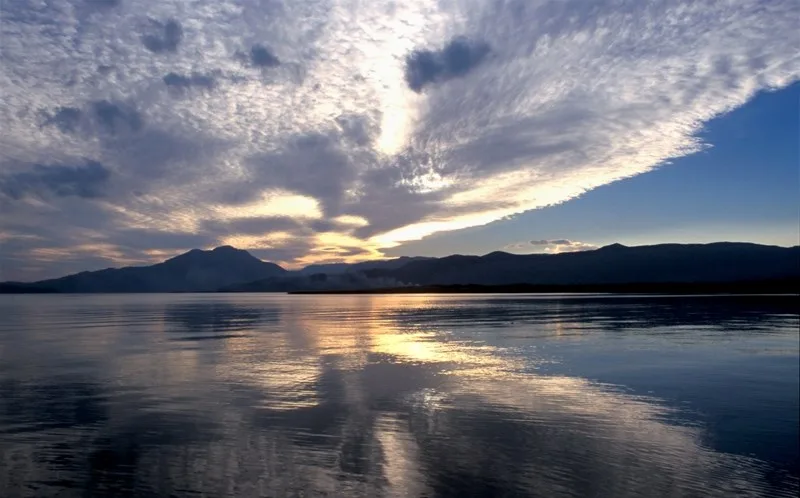
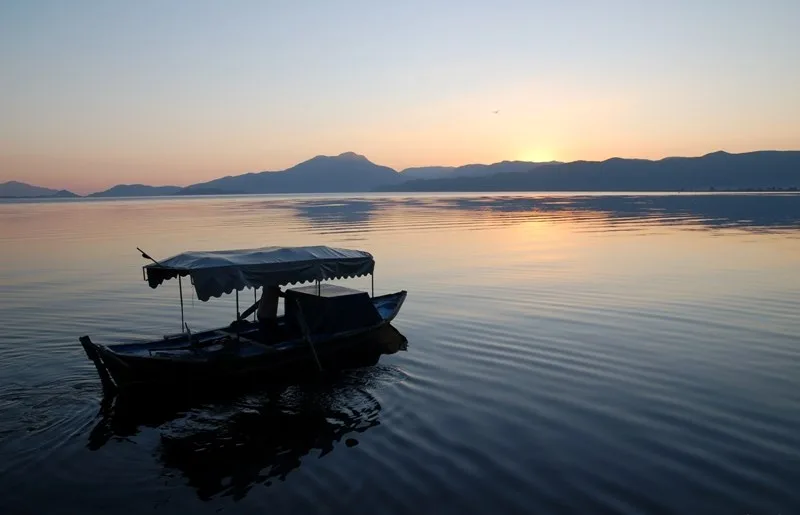
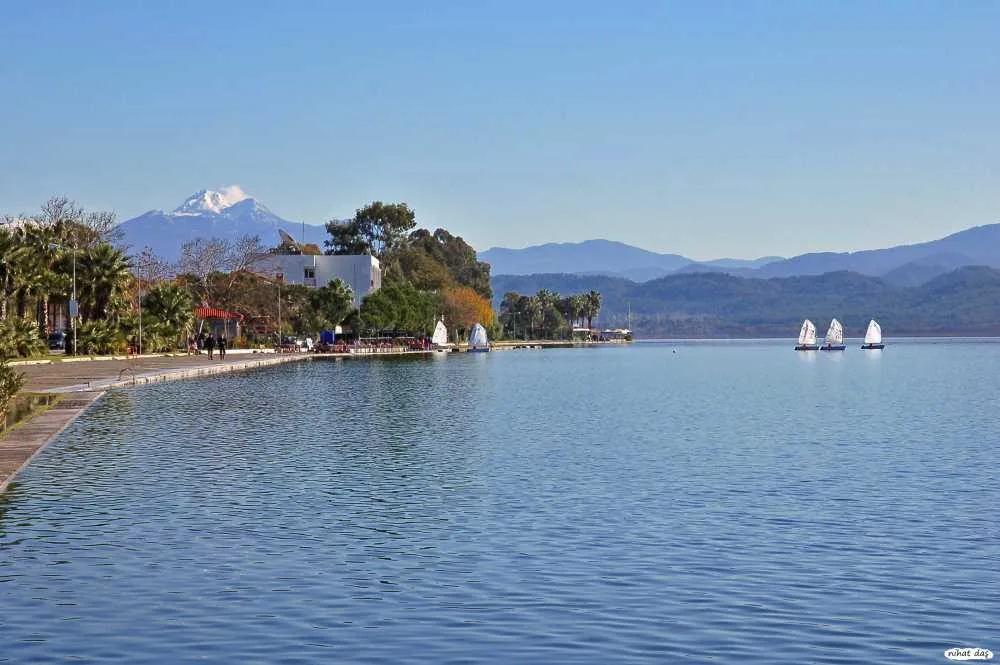
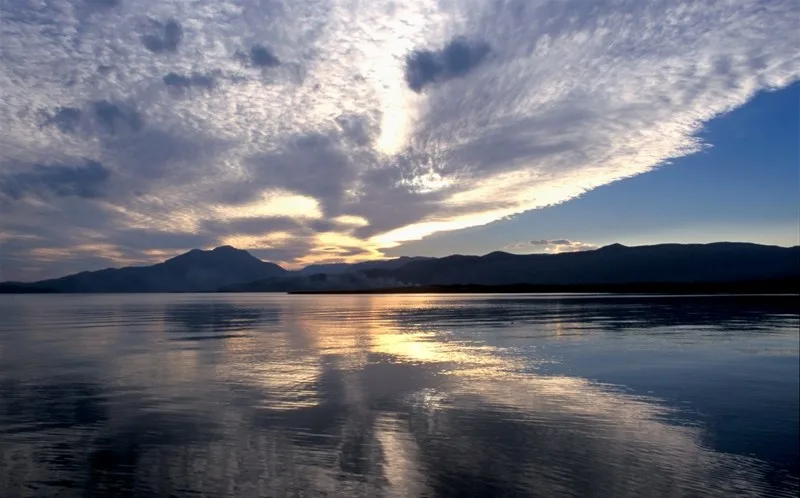
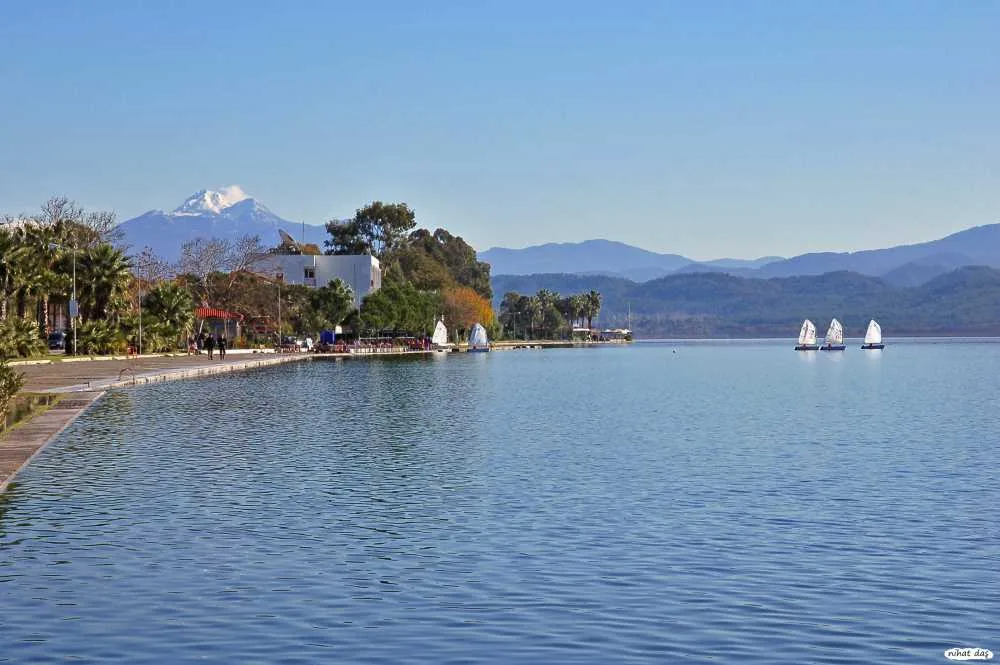
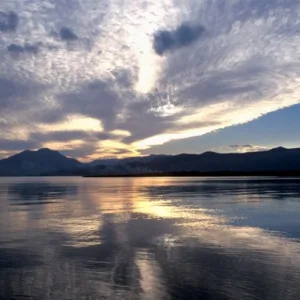
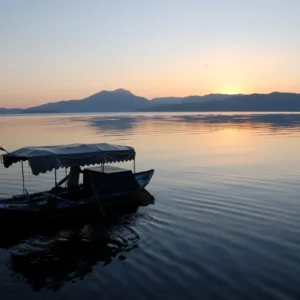
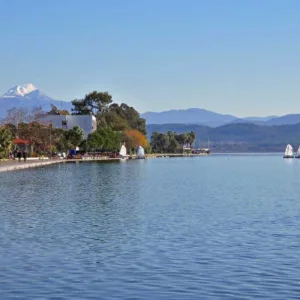
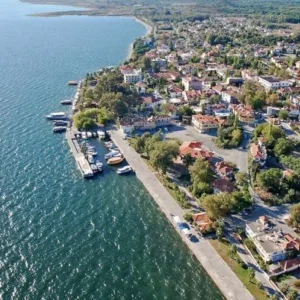
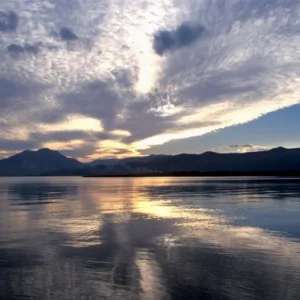
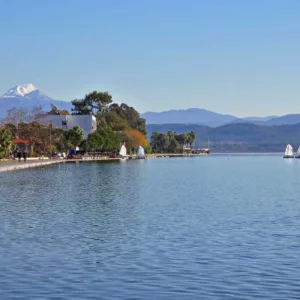
The lake is separated from the sea by the alluvium that blocked the mouth of the bay, but it hasn't completely severed itself, as it continues to drain its water into the sea. The delta was formed by the alluvium of the Nam Nam and Yuvarlak streams. Those who are passionate about photography and non-motorized water sports will find it quite difficult to leave Lake Köyceğiz. The area around the lake offers magnificent views. Walking or driving around the lake is also very enjoyable. A boat tour on the lake is also interesting.
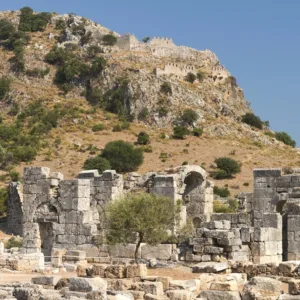
The small island in the lake is locally called Prison Island. Historically, the island was used for military purposes and later became a prison. Remnants of a Genoese fortress can still be seen. It is also known locally as Lovers' Island. According to the story, two young lovers, whose families did not allow them to marry, took refuge on this island. They escaped the pressure from their families but could not escape their cruel fate; a large snake bit them, and they died on the spot. (You can also hear one of the "Island and Snake" stories, which are very common in Anatolia, here.)
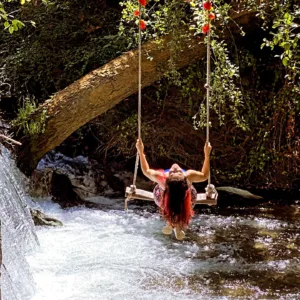
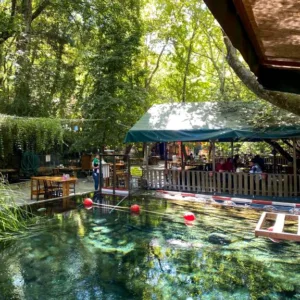
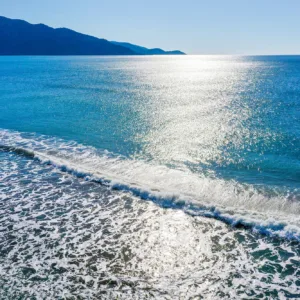
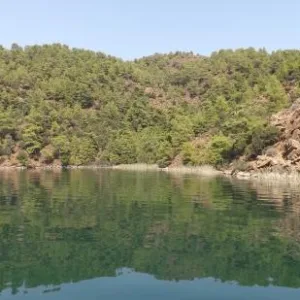
Köyceğiz is a true water paradise. Not only does it boast a sea, a lake, rivers feeding the lake, and a canal connecting it to the sea, but wherever you dig a few meters in the district, pristine water gushes forth. For this reason, it is also very suitable for agriculture. The plants, constantly receiving water from below, even turn yellow under the scorching summer sun. Surrounded by mountains, the mountains are covered with cypress and pine forests. The forest, formed by the combination of pine and cypress trees, provides abundant oxygen to the region.